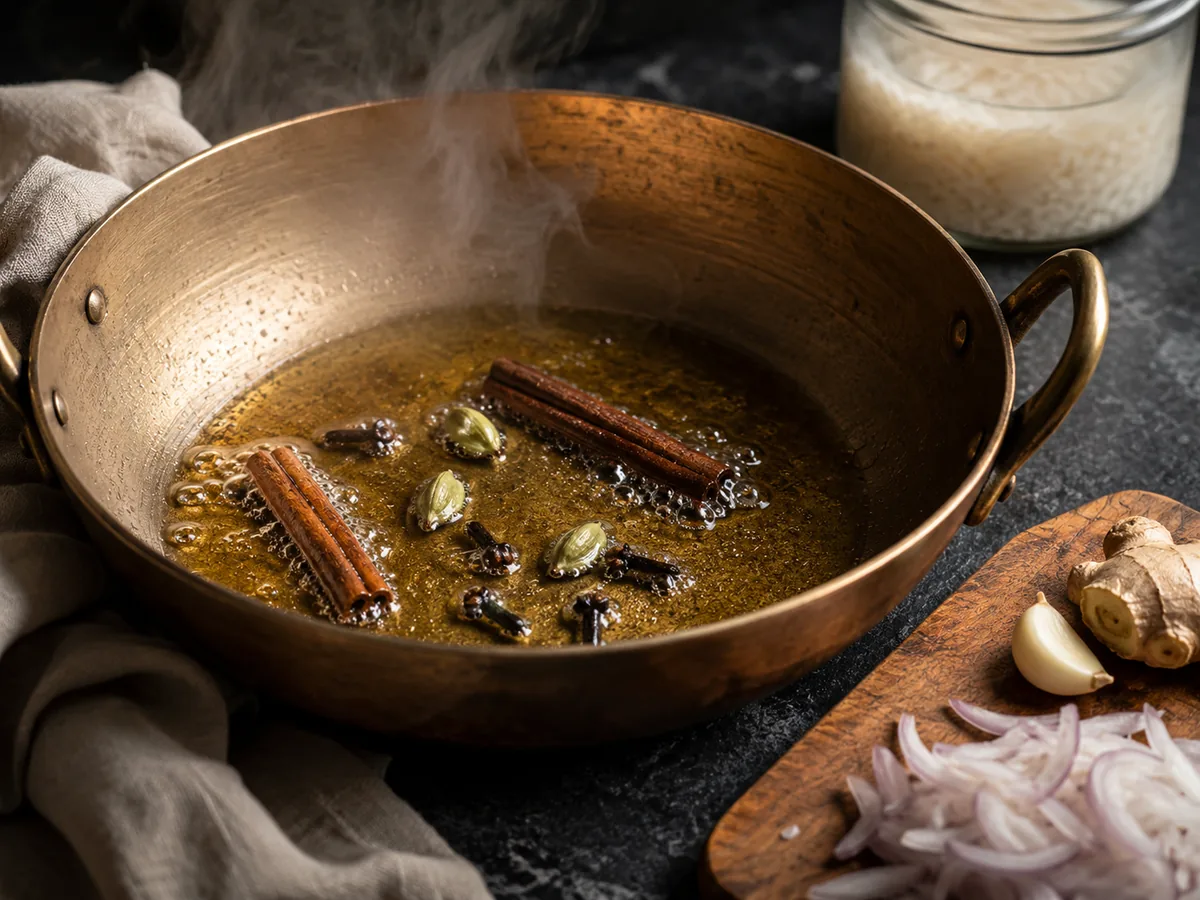
This is the page to read before you cook akhni for the first time, not the recipe itself. The technique sits in the first minute: whole spices in hot coconut oil, until the cardamom puffs and the cumin darkens half a shade. Get that minute right and the rest of the dish carries itself. Get it wrong and no amount of later seasoning will recover it. Read this once, slowly. Then go and stand at the stove.
Bloom the whole spices
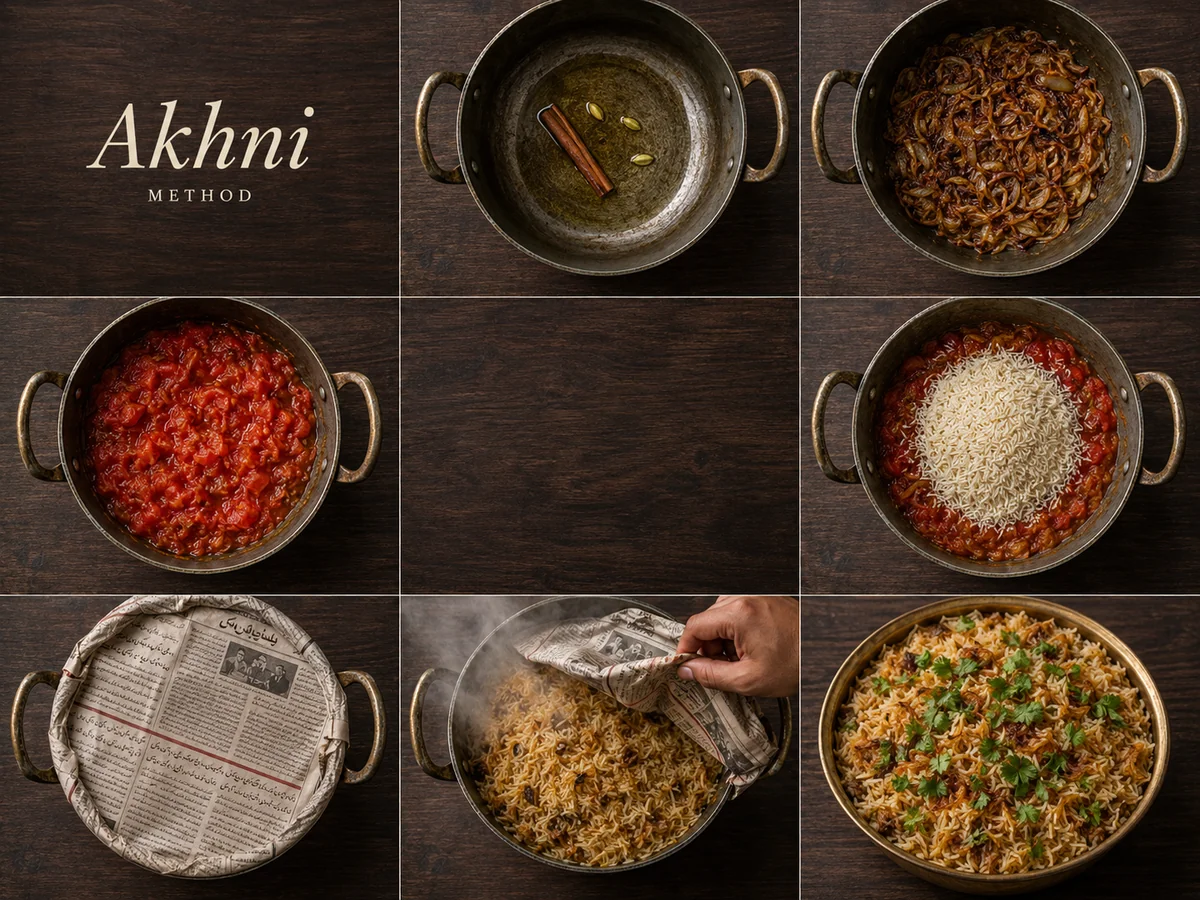
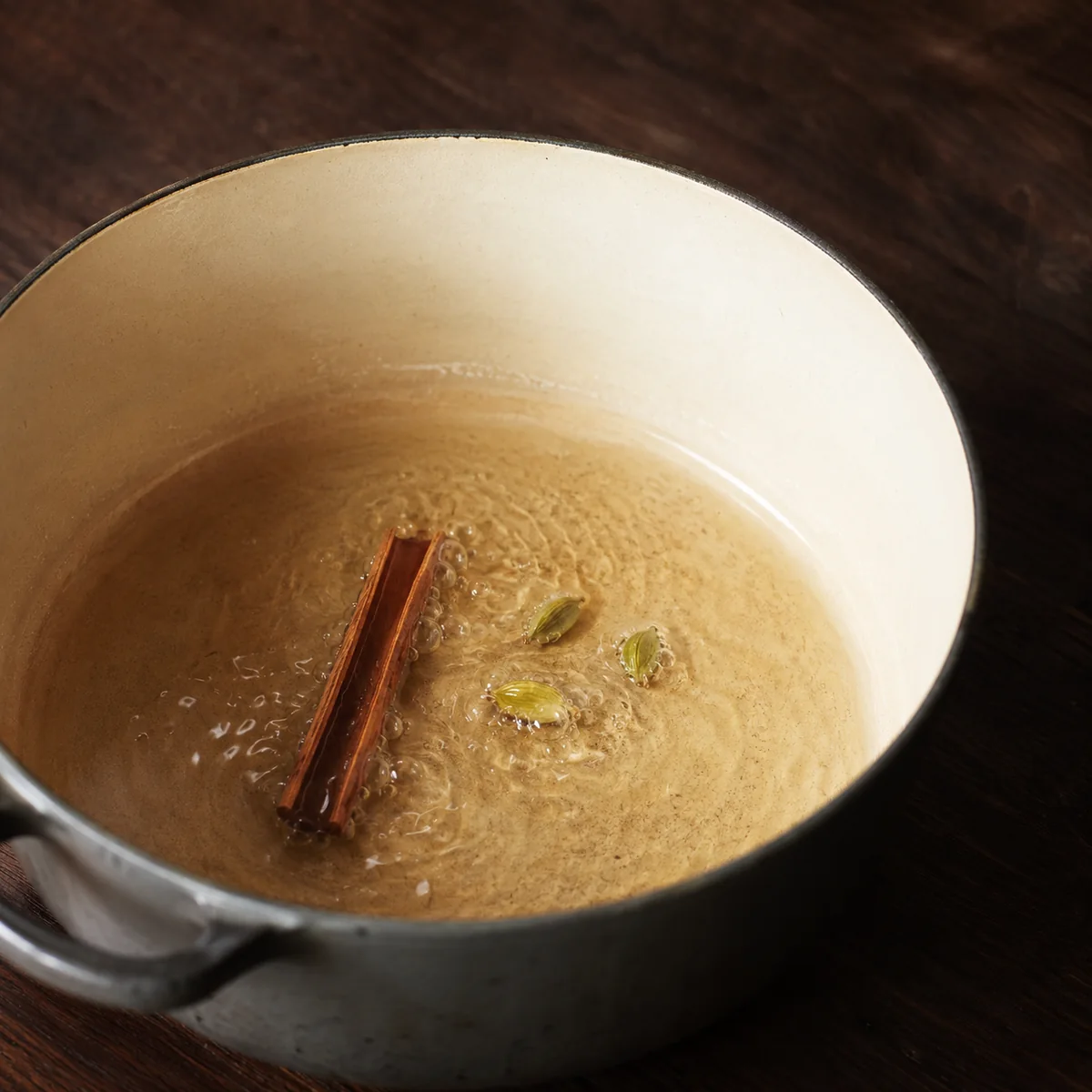
Heat coconut oil in a heavy pot over medium heat. When it is hot but not smoking, drop in one cinnamon quill, four green cardamom pods cracked open with the flat of a knife, and three cloves. Listen for them. The cardamom will puff and pale; the cinnamon will scent the kitchen within twenty seconds. This first minute decides the whole dish. Too high and the spices burn; too low and they sit instead of blooming.
Caramelise the onions deeply
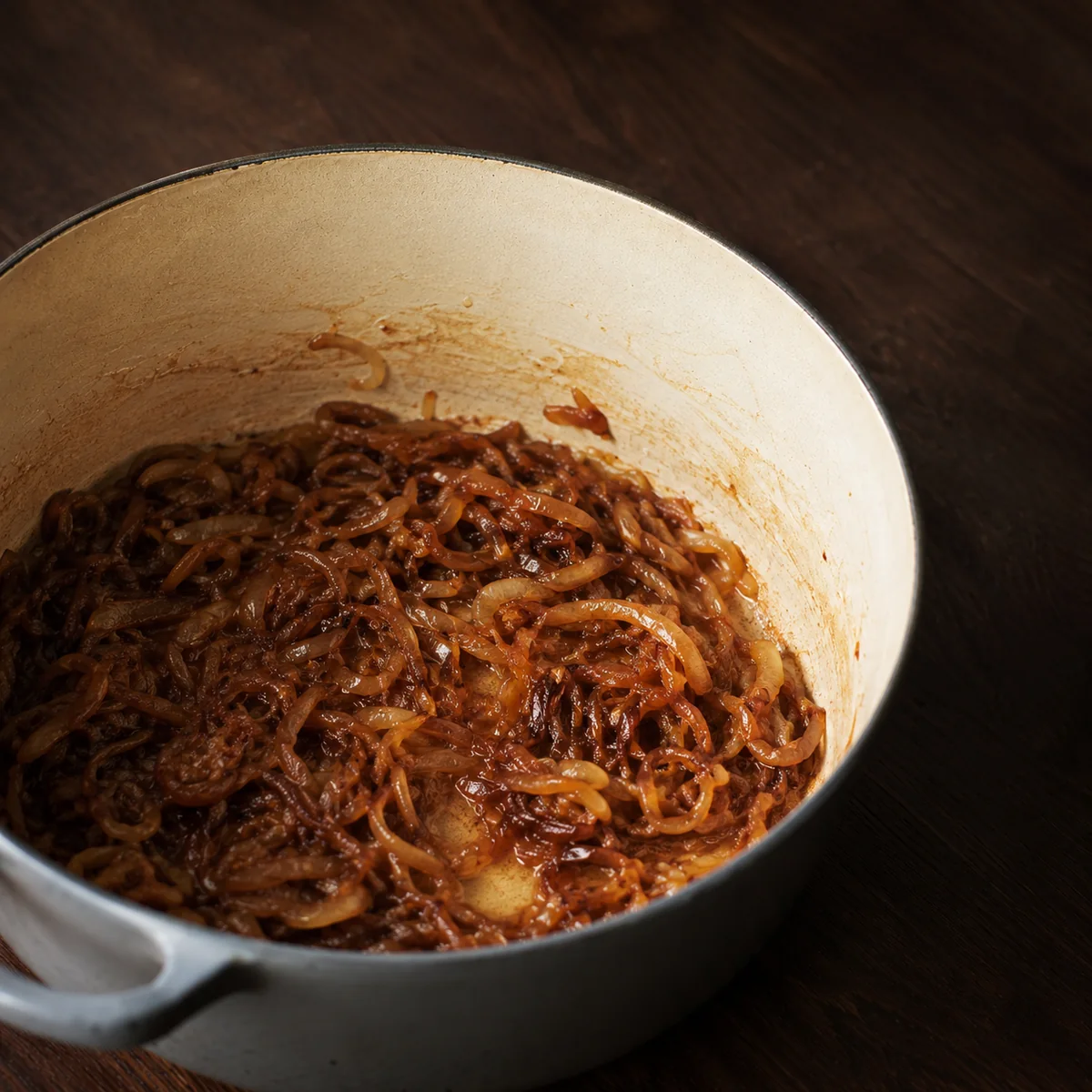
Slide in two large onions, finely sliced. Stir once to coat them with the spiced oil. Then leave them alone. Stir only every two or three minutes, scraping the bottom each time. You are looking for deep amber, almost mahogany — twenty minutes, not five. This is where the body of the dish lives. Under-cooked onions and the akhni stays thin; well-caramelised and it has weight.
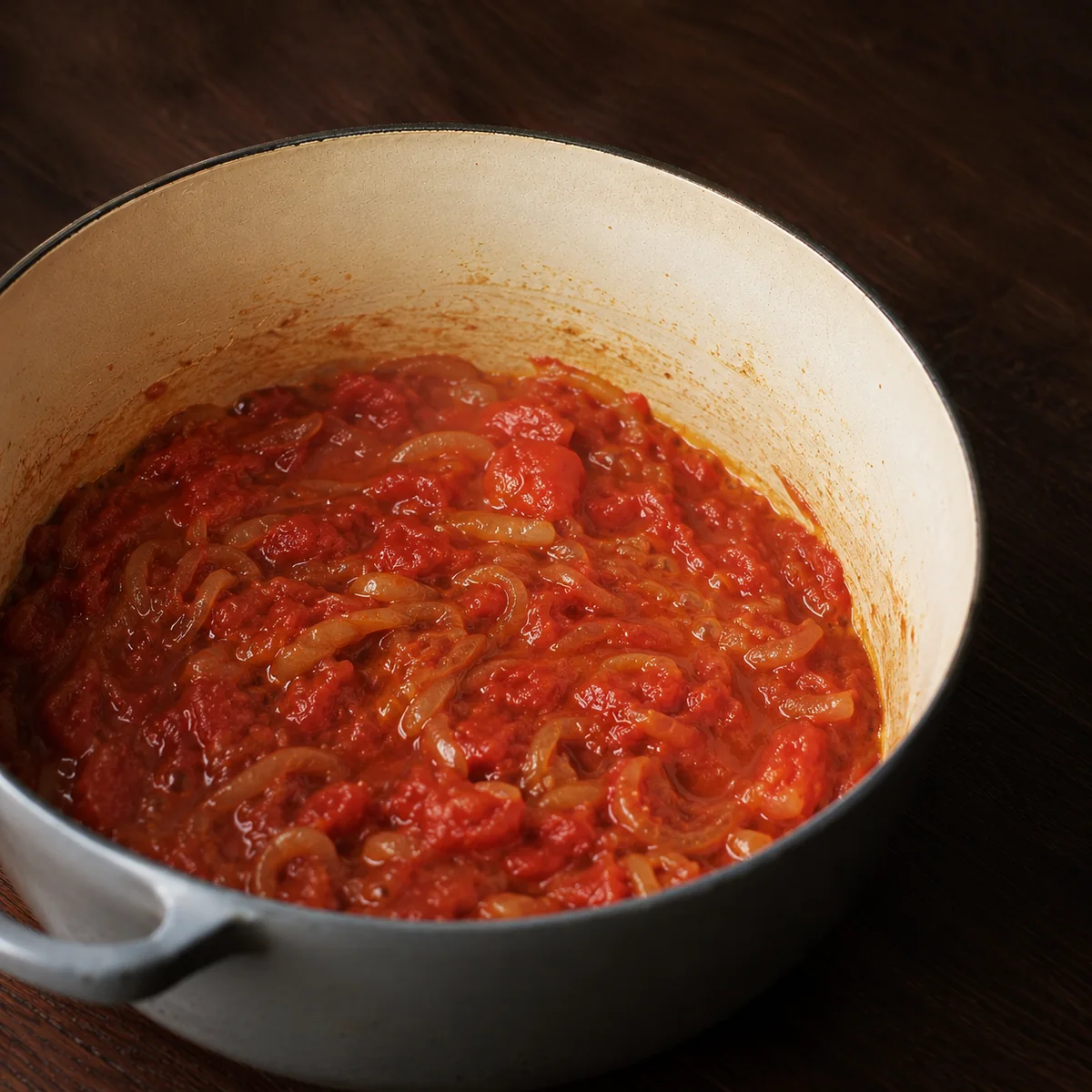
Add tomatoes, let them break down
Three ripe tomatoes, chopped. Salt them lightly. The tomatoes will release their water and steam-deglaze the pot, lifting all the caramelised stuck-on bits into the dish. Cook until the tomato pieces have collapsed completely and the oil starts to separate at the edge — usually six or seven minutes. If the pot looks dry before then, add a splash of water, not more oil.
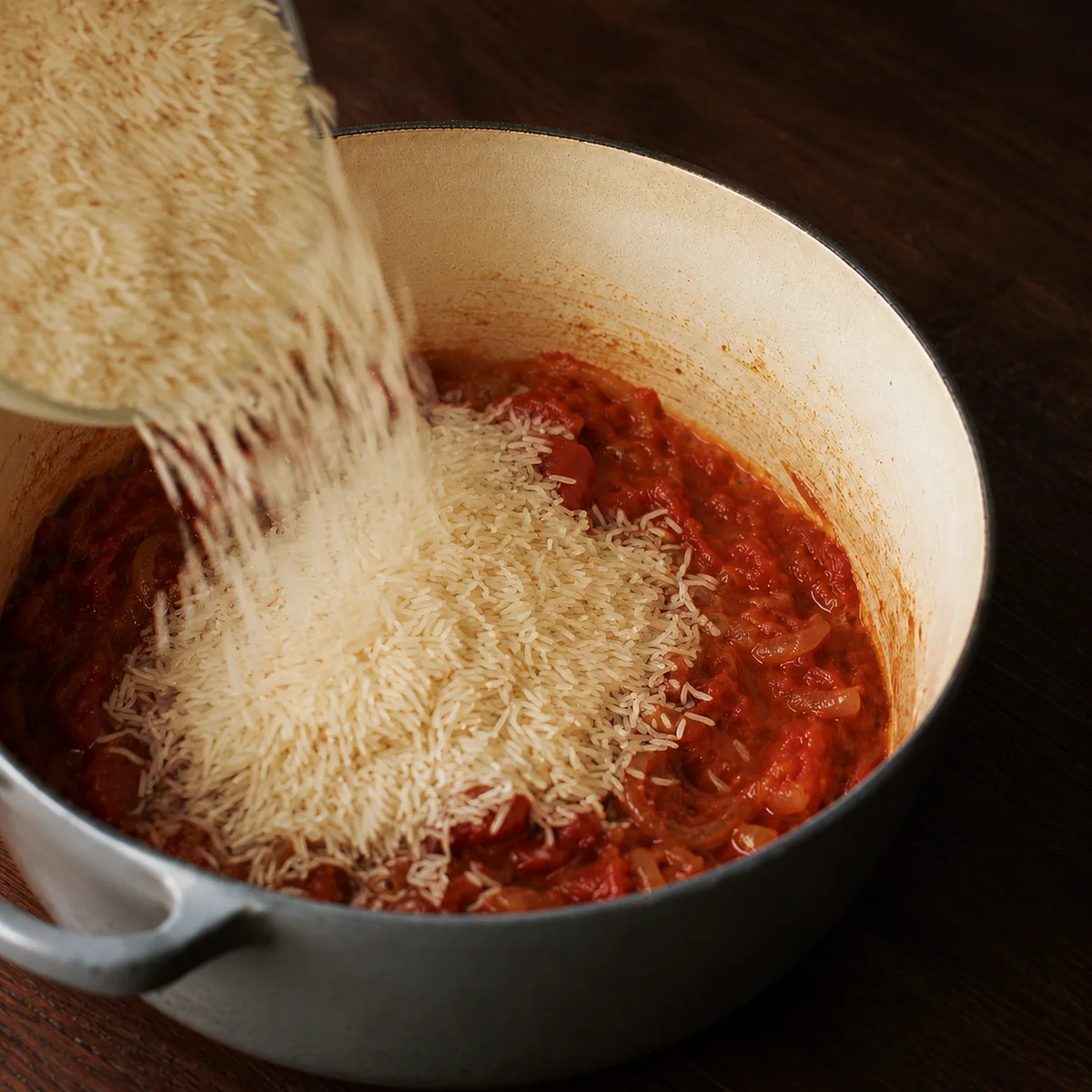
Add the rice, coat with the masala
Two cups of basmati, rinsed under cold water until it runs clear, then drained. Add to the pot. Stir gently for one minute so every grain is coated with the spiced tomato base. Do not break the grains. Add three and a half cups of water, season with salt to taste, bring to a strong simmer.
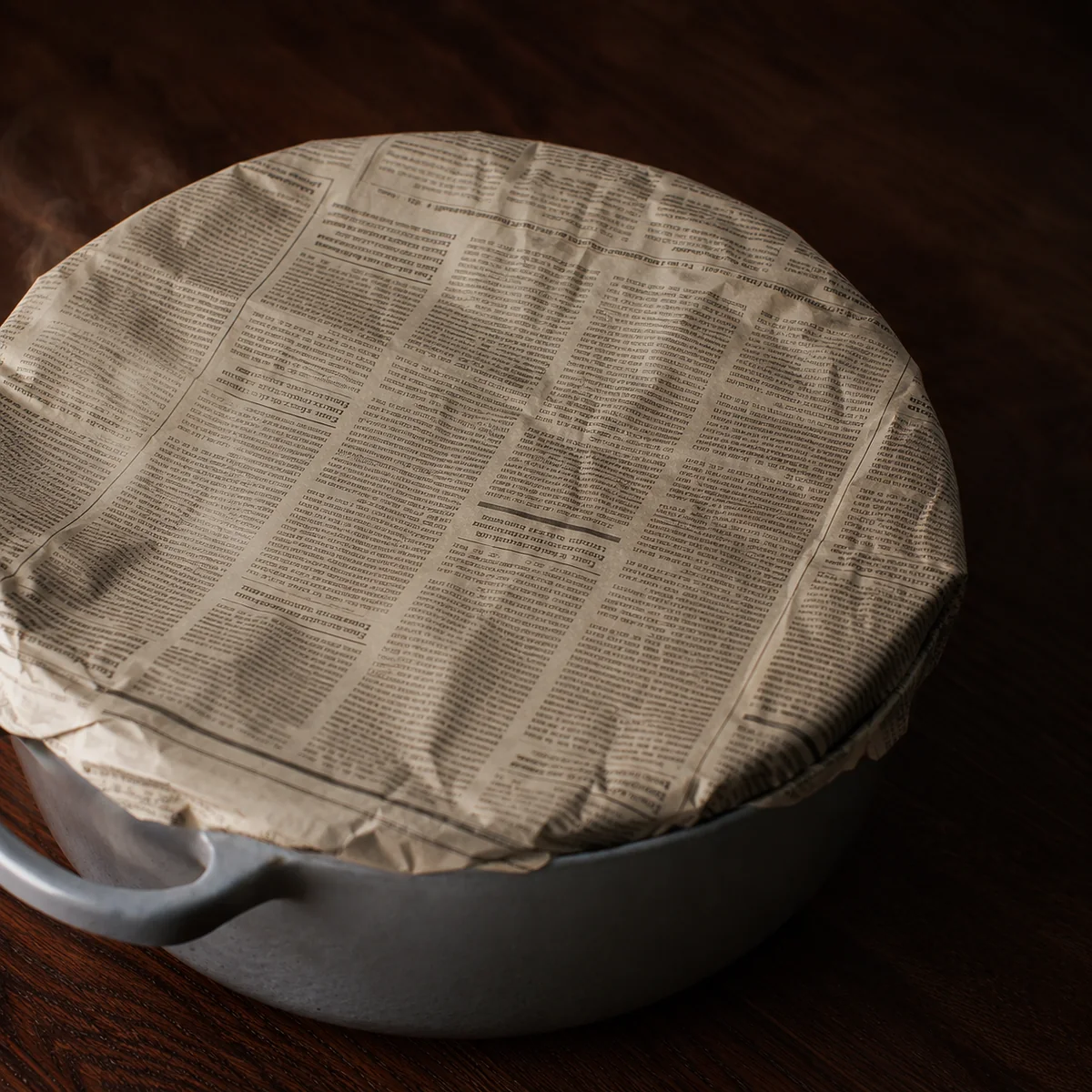
Cover with newspaper, lid pressed on top
This is the old Cape Malay method, and it matters. A sheet of newspaper across the top of the pot, then the lid pressed down on top. The paper absorbs any condensation that would otherwise drop back into the rice and make it claggy. Lowest possible heat. Set a timer for eighteen minutes. Do not lift the lid before the timer goes.
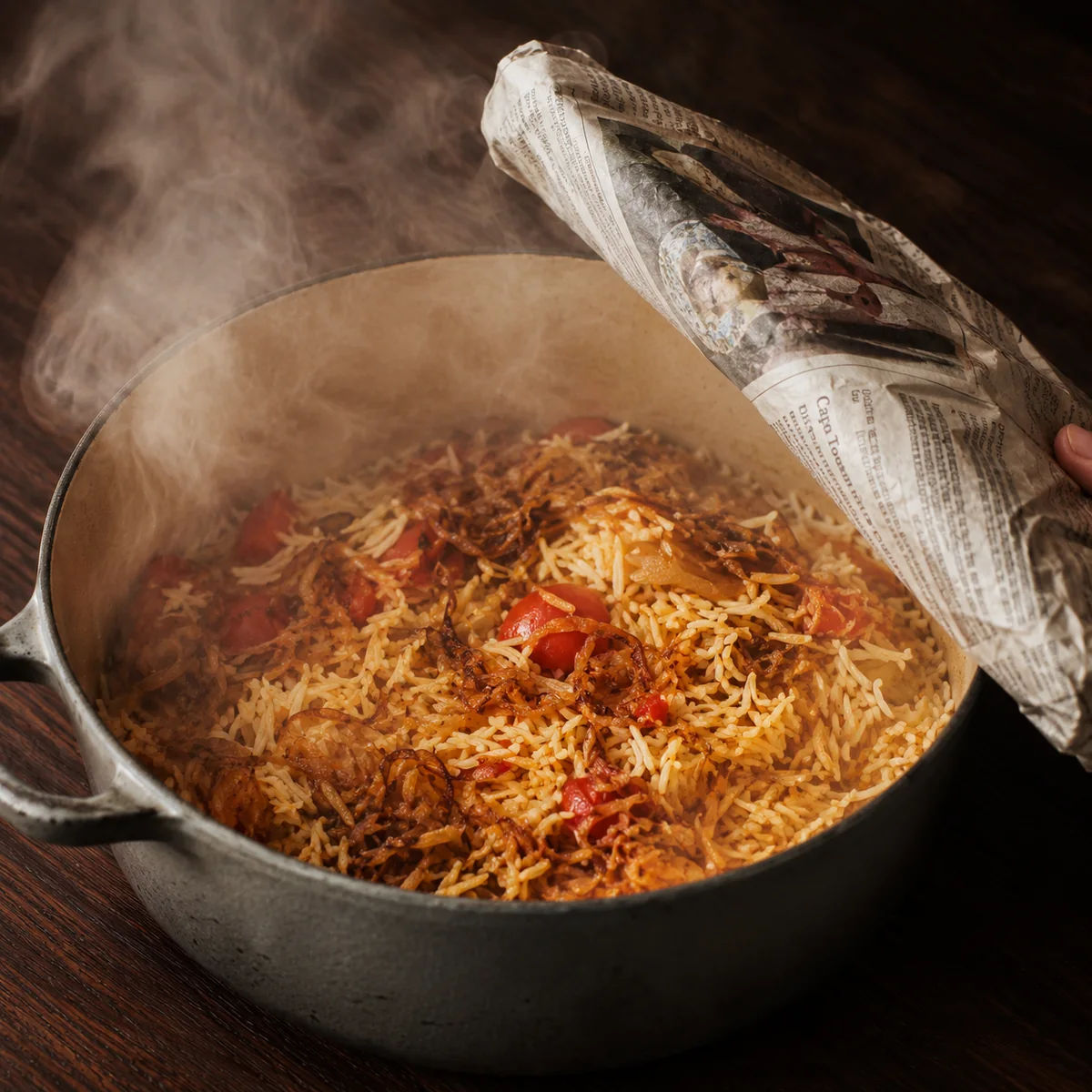
Lift the lid, let the steam off
After eighteen minutes, take the pot off the heat. Lift the newspaper carefully — there will be a rush of fragrant steam, and that is the whole kitchen telling you it has worked. Resist the urge to stir. Replace the lid (no paper this time) and rest for another five minutes. The grains finish cooking on their own residual heat. This rest is what gives akhni its separate-grain texture.
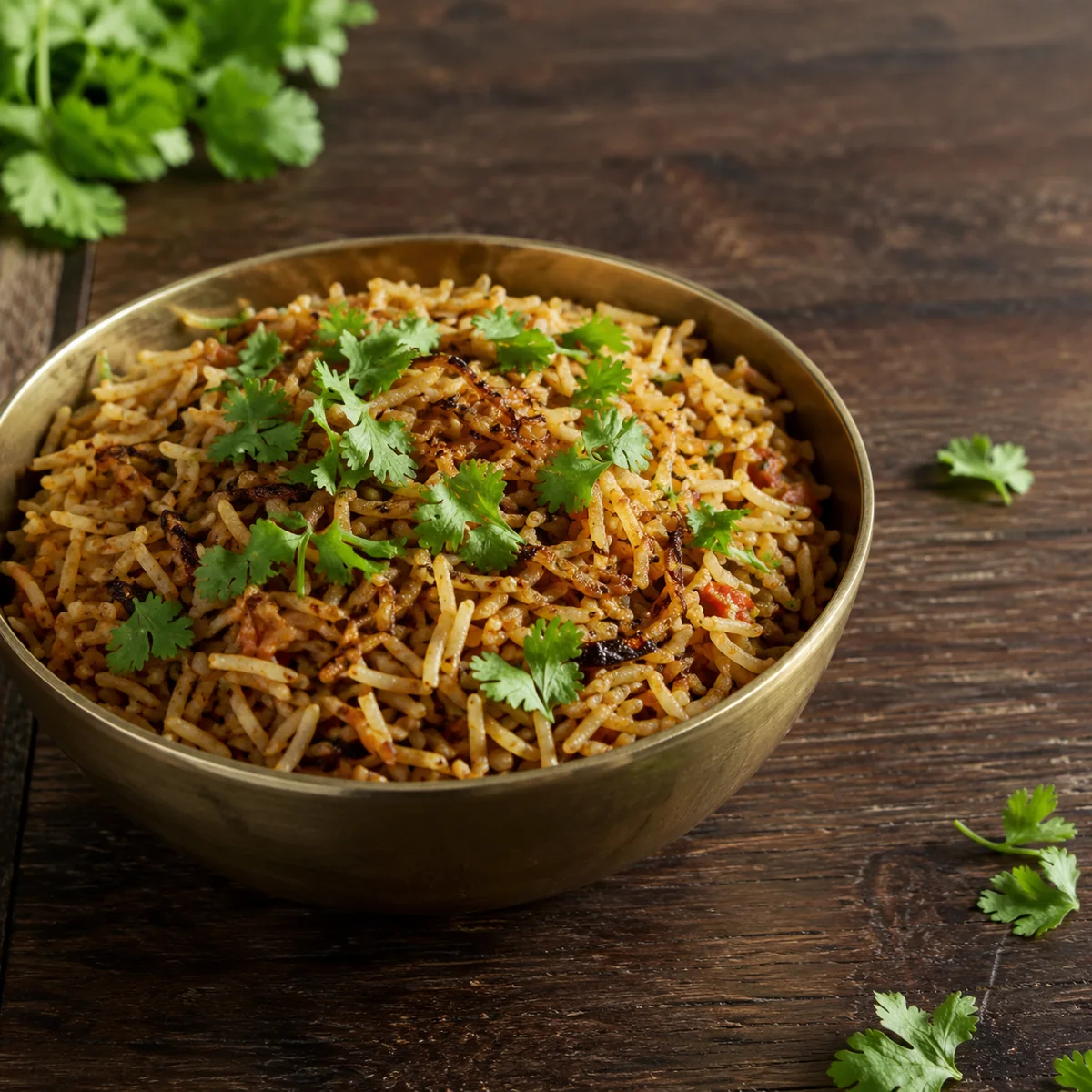
Fluff, plate, garnish
Use a fork to fluff the rice gently from the edges into the centre. The whole spices — cinnamon, cardamom, cloves — will rise to the top. Plate into a brass or terracotta bowl. Scatter fresh coriander leaves over the top, torn roughly, not chopped. Serve with cucumber raita on the side. Eat with a spoon, not a fork.
That is the whole method. Read it once before you cook. Then go and stand at the stove.